Worn asphalt can affect your property’s appearance, safety, and everyday use. However, faded pavement or minor cracking does not always require complete replacement. Asphalt resurfacing may offer a practical way to renew a suitable surface, while more extensive damage may require repaving. Understanding the available options helps property owners make informed decisions about asphalt resurfacing in Austin and protect their investment.
Understanding Your Asphalt Repair Options
1. Asphalt Repairs for Localized Damage
When damage is limited to a few cracks, small depressions, or isolated potholes, targeted repairs may be sufficient. Contractors can address affected sections without replacing the entire paved area. This approach can help control costs when the surrounding pavement remains stable, and the underlying foundation is sound.
However, widespread cracking or recurring potholes may indicate deeper problems that simple patching cannot resolve.
2. Sealcoating for Surface Protection
Sealcoating applies a protective coating over existing asphalt. It can improve pavement appearance, help limit moisture penetration, and reduce damage from sunlight and everyday exposure. It works best on pavement that remains structurally sound.
Sealcoating is not a substitute for repairing potholes, correcting drainage problems, or rebuilding a failing base. Damaged areas should be addressed before the protective coating is applied.
3. Resurfacing for Worn but Stable Pavement
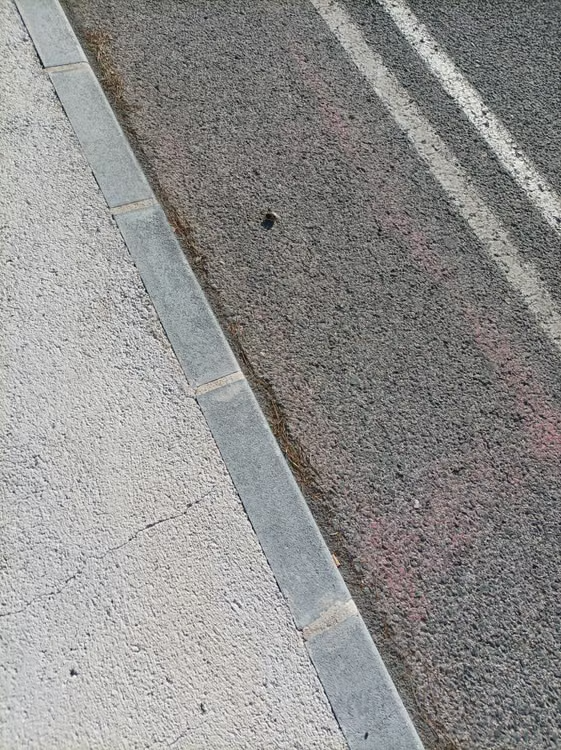
Resurfacing involves placing a new asphalt layer over an existing surface after suitable preparation. It can improve appearance, create a smoother driving area, and address widespread surface wear when the pavement beneath remains stable.
For residential driveways and commercial parking areas, asphalt resurfacing solutions may be appropriate when surface deterioration is noticeable but structural damage is limited. Existing problems must be assessed first because resurfacing alone will not correct unstable foundations.
4. Repaving for Extensive Damage
Repaving may be necessary when asphalt has severe cracking, widespread potholes, significant deformation, or recurring failures linked to the underlying base. Depending on the condition, the work may involve removing old asphalt, correcting foundation problems, improving drainage, and installing new pavement.
Although repaving generally requires more work and expense, it may provide a more reliable result when repairs or resurfacing would only offer temporary improvement.
How to Choose the Right Solution
Start by examining the pavement’s overall condition. Consider how widespread the damage is, whether water collects after rainfall, and whether previous repairs have failed. Traffic volume also matters because commercial parking lots often experience heavier loads than residential driveways.
A professional assessment can help determine whether repairs, sealcoating, resurfacing, or full repaving offers the best value. Reliable asphalt service providers can evaluate these factors before recommending work.
Maintaining pavement early can reduce safety concerns and help prevent avoidable costs. When your property needs asphalt paving in Austin, contact Rock Solid Concrete & Construction for professional guidance and practical paving solutions.