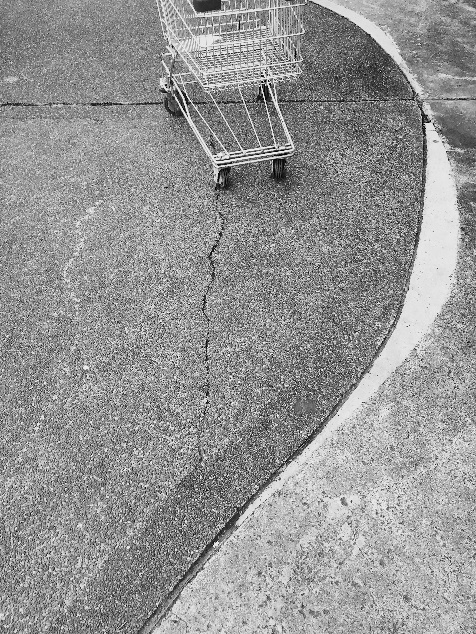
Geotechnical studies in Texas indicate that expansive clay soils—common across Central Texas—can swell when wet, then shrink significantly during dry periods. This constant movement is one of the leading causes of slab cracking and uneven settling in commercial construction.
Because of this soil behavior, the success of any concrete installation depends less on the pour itself and more on what happens before it. Proper site preparation reduces long-term movement, improves load distribution, and stabilizes the base layer beneath the slab.
Understanding the Role of Ground Preparation
The process of preparing a site is not just clearing land—it is engineering the foundation that will support the entire structure.
Key objectives include:
- Creating a stable, compacted sub-base
- Managing moisture levels in soil
- Preventing future slab shifting or sinking
- Ensuring uniform load distribution
This phase is often handled by experienced teams, such as a licensed concrete contractor, who understand local soil conditions.
Steps Involved in Proper Ground Preparation
1. Site Clearing and Excavation
All vegetation, debris, and unstable soil layers are removed. This prevents organic decomposition under the slab, which can create voids over time.
2. Sub-Base Installation
A compacted layer of gravel or crushed stone is installed to create stability. Poor compaction is one of the top reasons slabs fail prematurely.
3. Moisture Conditioning
Soil is adjusted to optimal moisture levels before compaction. Too dry or too wet soil leads to uneven settling.
4. Compaction and Testing
Mechanical rollers compact the base, followed by density testing to confirm stability. Commercial concrete contractors often perform multiple compaction checks before approving a pour.
Why Central Texas Soil Requires Extra Attention
Expansive clay in Austin shifts with seasonal moisture changes. Without proper preparation, slabs may:
- Crack along stress points
- Tilt or sink at edges
- Develop uneven surface elevations
This is why commercial projects often require additional reinforcement compared to residential work handled by residential asphalt or smaller installations.

Strong Slabs Begin Below the Surface
A durable commercial slab is built long before concrete is poured. Proper grading, compaction, and soil conditioning significantly reduce cracking, shifting, and settlement issues in Central Texas conditions.
For expert site evaluation and preparation, consult Rock Solid Concrete & Construction to support your next commercial concrete project with reliable groundwork, services, and professional execution. Contact us now to get a quote!