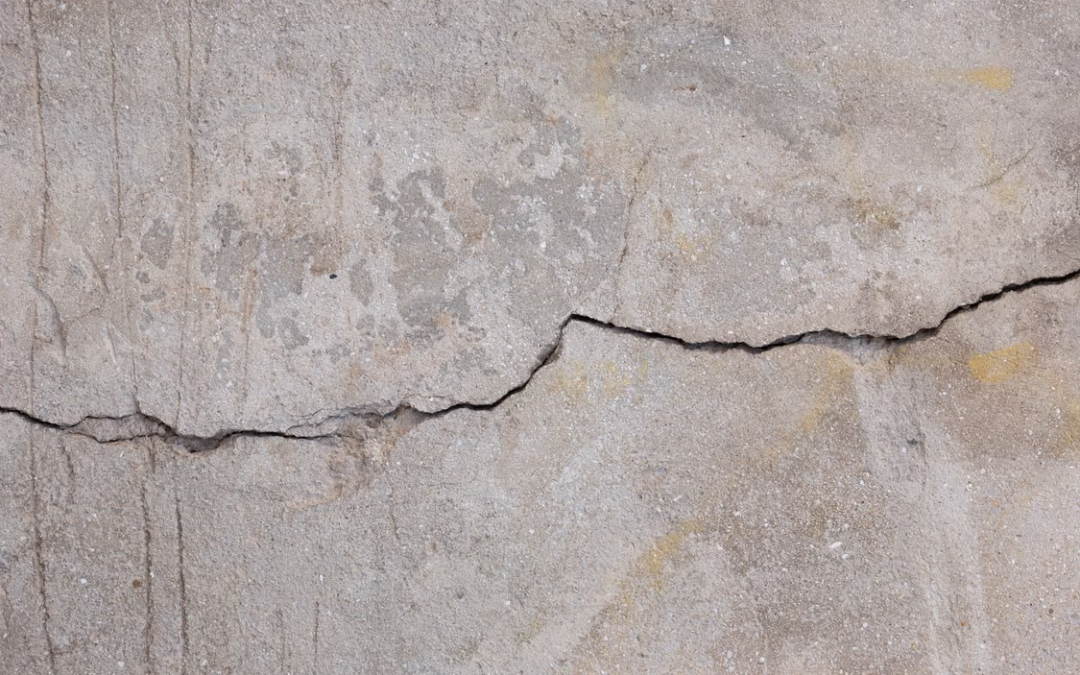
Concrete cracks can start small, but ignoring them may allow minor surface damage to develop into a costly repair. If you notice widening gaps, uneven slabs, or crumbling edges, it may be time to consider concrete repair in Austin before the problem spreads. Knowing which warning signs deserve attention helps property owners protect their surfaces, reduce safety risks, and avoid unnecessary replacement expenses.
5 Warning Signs Your Concrete Needs Attention
- Cracks That Continue to Widen
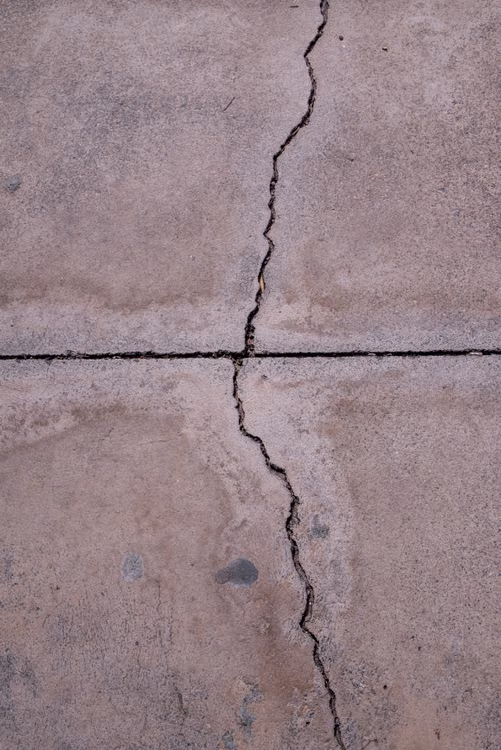
Small hairline cracks can develop as concrete cures or responds to temperature changes. However, cracks that gradually widen, lengthen, or appear alongside new cracks may indicate soil movement, drainage issues, or ongoing structural stress. Monitoring changes can help you determine when a professional assessment is necessary.
- Uneven or Sunken Sections
When one part of a concrete slab sits higher than another, the difference creates a potential tripping hazard. Soil erosion, poor compaction, and water movement beneath the slab can contribute to this problem. Uneven driveways and walkways should receive prompt attention, especially when people regularly use these surfaces.
- Crumbling and Surface Deterioration
Concrete that flakes, breaks apart, or develops exposed aggregate may be suffering from surface deterioration. Moisture intrusion, improper installation, and repeated exposure to changing weather conditions can contribute to the damage. Repairing affected areas early may help preserve the surrounding concrete.
- Water Pooling Near Cracks
Standing water around cracked concrete can signal inadequate drainage or changes in the surface slope. Water may also seep into openings, weaken supporting soil, and contribute to additional movement. Correcting drainage problems alongside necessary repairs can help prevent recurring damage.
- Repairs That Keep Failing
If cracks return after patching, the original cause may remain unresolved. Covering visible damage without addressing shifting soil, water problems, or excessive loads often provides only temporary relief. A professional inspection can help identify the underlying issue and determine an appropriate repair method.
What Causes Concrete Damage?
Several factors can affect concrete over time. Soil expansion and contraction, poor drainage, insufficient ground preparation, heavy vehicle loads, and improper installation may all contribute. Temperature fluctuations can also cause concrete to expand and contract, placing stress on existing weak points.
Understanding the cause matters because different problems require different solutions. Surface patching may work for limited cosmetic damage, while extensive deterioration or slab movement could require more involved corrective work.
When Should You Call a Professional?
Consider professional help when cracks widen noticeably, slabs become uneven, edges crumble, water repeatedly collects, or previous repairs fail.
For damaged driveways, driveway repair services can help restore function and improve surface safety. Similarly, sidewalk repair can address damaged walking areas and reduce trip hazards. A qualified contractor can assess the damage, explain suitable options, and recommend whether repairs or replacement make better sense.
Reach out to Rock Solid Concrete & Construction for dependable services and professional guidance on restoring damaged surfaces. Contact us today.